Boost Print Shop Profits: Smart DTF Strategies for Lean Operations
Discover expert strategies to streamline your DTF printing workflow, boost efficiency, and maximize profitability. Learn how Flash Custom Transfers helps simplify production.
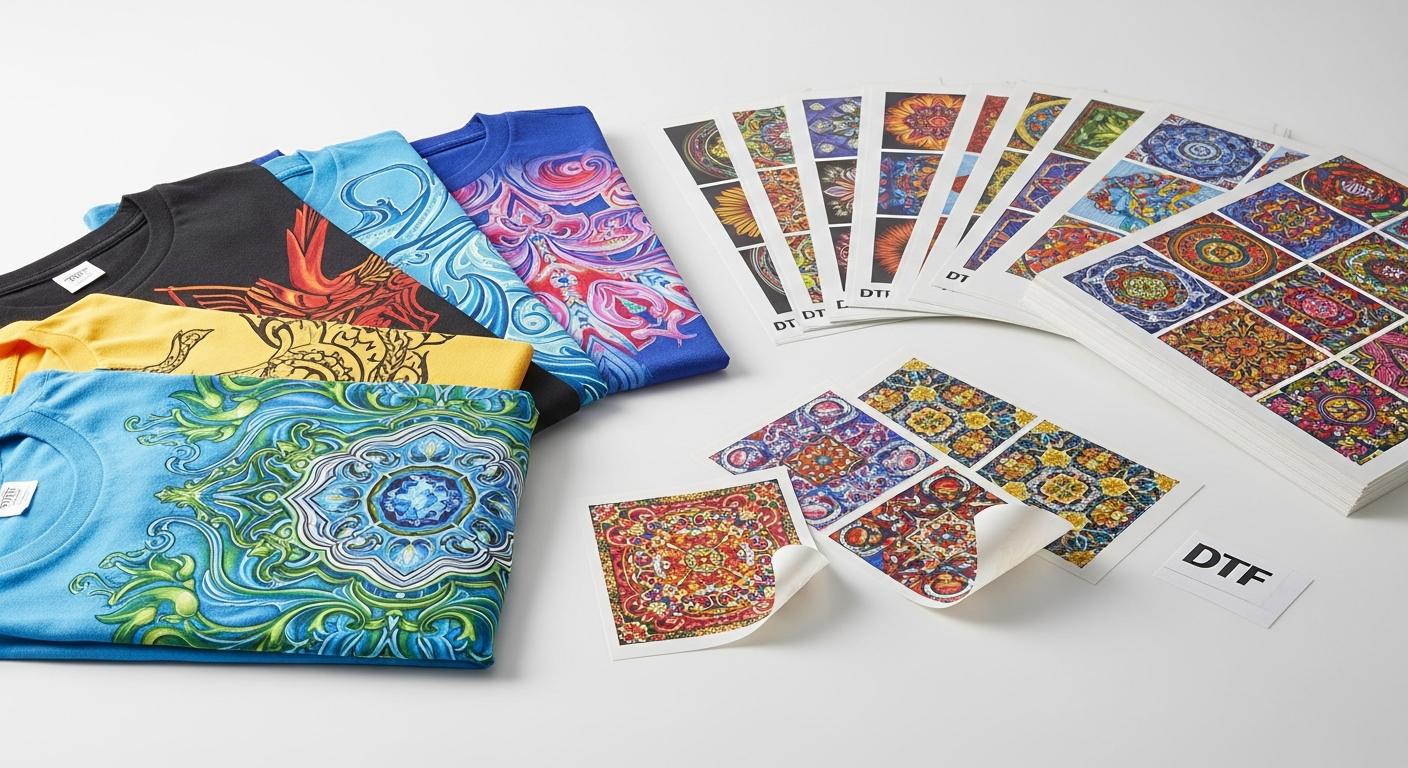
Running a successful apparel decoration business today means constantly adapting to new technologies and optimizing your workflow. Direct-to-Film (DTF) printing has revolutionized the industry, offering incredible versatility, vibrant colors, and durability. But simply investing in the latest DTF equipment isn't enough; true success comes from integrating DTF into a lean, profitable, and efficient operational strategy. At Flash Custom Transfers, we're not just about providing premium DTF and UVDTF transfers; we're also here to empower small business owners, crafters, and apparel decorators like you with the knowledge to thrive. Let's explore how you can leverage DTF effectively, keeping your business agile and profitable. ## Embracing Hybrid Production with Clear Visibility Many shops are finding immense value in hybrid production – combining traditional methods like screen printing with the speed and flexibility of DTF. This approach significantly expands the range of services you can offer your customers, from small, intricate runs to vibrant, full-color designs. However, this flexibility is only beneficial if you have crystal-clear visibility across your entire production process. Think about it: if your team doesn't know what's due, what's staged, or where bottlenecks might occur, even the most advanced technology can lead to chaos. This is where relying on high-quality, pre-printed DTF transfers from Flash Custom Transfers becomes a game-changer. When you utilize our ready-to-press DTF transfers, you're not just buying a product; you're gaining a streamlined solution that allows you to quickly move jobs from concept to completion, reducing internal production complexity and time. ## Standardizing Your Production Decisions One of the biggest operational shifts with DTF integration is deciding *when* to use DTF versus another method. This decision-making process needs to be standardized and visible to everyone on your team. Imagine the scenario: a job is initially planned for screen printing, but a rush order, complex artwork, or a specific garment type makes DTF a better fit at the last minute. The ability to make this switch seamlessly is crucial. Here’s how to build a repeatable system: * **Define Decision Points:** Establish clear points in your workflow where the final production method must be locked. For example, “final production method must be locked at art approval” for stricter control, or “locked at production staging” for more flexibility. * **Criteria for DTF:** Outline specific criteria that make a job ideal for DTF. This could include low minimums, intricate details, gradient colors, rush deadlines, or specific fabric types. * **Instant Visibility:** If a job switches from screen printing to DTF, ensure your entire team, from art prep to the heat press station, is immediately aware. This prevents wasted time on screen burning or misaligned expectations. When you're using Flash Custom Transfers' pre-printed transfers, this decision often simplifies to simply ordering the correct gang sheet or custom transfer, knowing the quality and consistency will be there, every time. * **Clear Work Order Standards:** Standardize what a “print-ready” job entails: approved art, correct garment counts, sizes sorted, placement confirmed, and a crystal-clear work order. This reduces reliance on "tribal knowledge" and ensures anyone can pick up a job and know exactly what needs to be done. ## Preventing Bottlenecks: The Heat Press is Key Adding DTF to your services is meant to add flexibility, but a common pitfall is inadvertently creating a new bottleneck: the heat press. Suddenly, your heat press can't keep up with the volume of ready-to-apply DTF transfers. But don't despair; small process changes can significantly improve output without needing to buy more equipment (though we always support growing your capabilities!). * **Streamlined Heat Press Workflow:** Design your heat-press line so each garment is handled only once at each station. This means jobs flow in a single direction without bouncing back and forth, dramatically improving efficiency. * **Schedule by Constraint:** Instead of scheduling by department, schedule around your biggest constraint – often the heat press. Determine heat-press hours first, then work backward to schedule your DTF printing (if you print in-house) and garment staging. When you're ordering custom gang sheets from us at Flash Custom Transfers, you're effectively offloading the DTF printing constraint, allowing you to focus purely on the heat press and fulfillment. You can order your custom gang sheets at [https://flashcustomtransfers.com/products/custom-gang-sheet-22x24](https://flashcustomtransfers.com/products/custom-gang-sheet-22x24). * **Optimize Staffing:** Identify skilled vs. less technical steps. For example, applying a DTF transfer might be less technical than operating a multi-color screen press. This allows you to staff different stations more effectively, keeping the line moving consistently. * **Cap Your Queue:** Set a limit on how many jobs can be waiting at any given stage. This forces you and your team to address potential problems before they overwhelm your production line. ## Keeping DTF Margins Honest and Consistent DTF is often praised for its speed and reduced setup time, but that doesn't automatically guarantee higher margins. It's crucial to approach DTF pricing with discipline, ensuring profitability remains consistent across all your production methods. The goal is for your DTF jobs to generate comparable margins to your screen printing or other services. How can you build consistent margins? * **Categorize Your Jobs:** Even if an order changes later, start by categorizing jobs (screen print, DTF, hybrid, embroidery, UVDTF, etc.). This initial categorization helps maintain organizational clarity and informs your costing model. * **Baseline Costing Model:** Develop a clear baseline costing model for your DTF applications. Factor in the cost of the transfers themselves (which, when sourced from Flash Custom Transfers, come with consistent quality and predictable pricing), labor for pressing, and overhead. Our competitive pricing for high-quality DTF transfers helps you maintain those healthy margins from the start. ## Expanding Your Offerings with UVDTF Beyond apparel, consider the exciting world of UVDTF transfers for hard goods. UVDTF allows you to offer durable, vibrant, full-color designs on items like tumblers, notebooks, phone cases, and more. This isn't just a separate service; it's another way to maximize your equipment (your heat press, in some cases, or simply a flat application surface) and expand your revenue streams without significant additional investment in complex printing machinery. Explore our range of UVDTF gang sheets and custom options to see how easily you can diversify your product line at [https://flashcustomtransfers.com/collections/uvdtf-gang-sheets](https://flashcustomtransfers.com/collections/uvdtf-gang-sheets). ## Partner with Flash Custom Transfers for Peak Performance Integrating DTF successfully into your business means more than just having the technology; it means having a robust process and reliable partners. At Flash Custom Transfers, we pride ourselves on providing premium DTF and UVDTF transfers that are vibrant, durable, and easy to apply, helping you achieve that lean, profitable output. By streamlining your workflow, making informed decisions, and choosing Flash Custom Transfers as your trusted partner for high-quality transfers, you're setting your business up for sustainable growth and success. **Ready to elevate your production and boost your profits?** **Order your premium DTF and UVDTF transfers today from Flash Custom Transfers and experience the difference quality makes! Visit us at [flashcustomtransfers.com](https://flashcustomtransfers.com/) to get started.