How to Store DTF Transfers Before Pressing
Discover expert tips for storing your DTF transfers to ensure perfect presses every time. Learn about ideal conditions to protect your investment and achieve vibrant, long-lasting results.
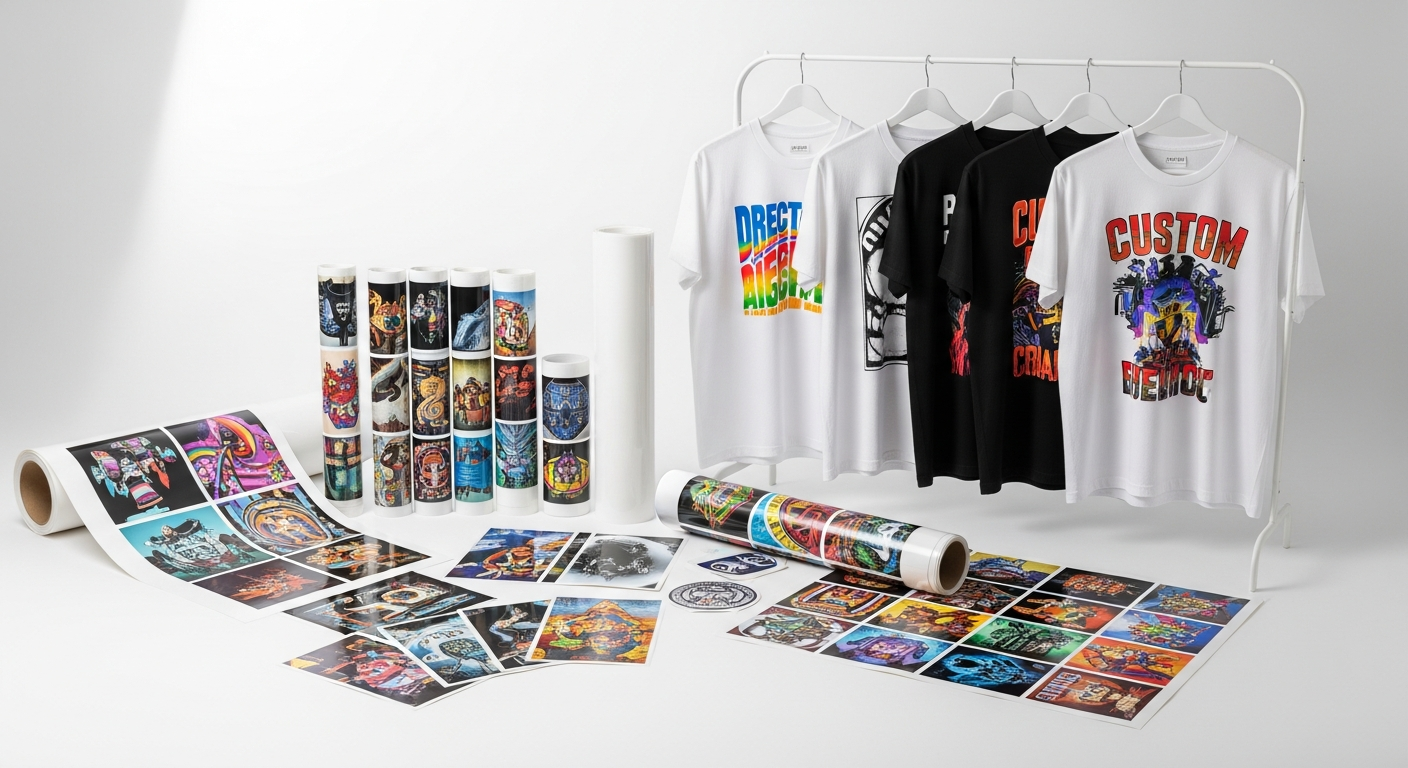
# How to Store DTF Transfers Before Pressing You've invested in high-quality Direct-to-Film (DTF) transfers, perhaps from a trusted source like Flash Custom Transfers, and you're excited to bring your designs to life. Whether it's a stack of custom logos or vibrant graphics for an upcoming apparel line, the moment of truth comes when you apply them to your garments. But what happens between receiving those transfers and the actual pressing? The way you store your DTF transfers can significantly impact their performance, longevity, and the final look of your product. Improper storage can lead to wasted transfers, subpar results, and ultimately, a hit to your bottom line. In this comprehensive guide, we'll delve into the crucial aspects of storing DTF transfers, ensuring they remain in pristine condition, ready for a flawless application every single time. From environmental factors to physical handling, we'll cover everything you need to know to protect your investment and achieve professional-grade results. ## The Enemies of a Perfect DTF Transfer DTF transfers, while robust, are sensitive to certain environmental conditions. Understanding these "enemies" is the first step in proper preservation. ### Temperature Fluctuations: The Unseen Threat Temperature plays a critical role in the stability of DTF transfers. The adhesive and ink layers are designed to be activated by heat during pressing, but they can be negatively affected by inconsistent temperatures beforehand. * **Ideal Range:** Aim for a consistent room temperature, typically between 65°F and 75°F (18°C - 24°C). This stable environment prevents the adhesive from becoming too soft or too brittle. * **Avoid Extreme Heat:** High temperatures can prematurely activate or degrade the adhesive, making it less effective when you finally go to press. Think about leaving transfers in a hot car or direct sunlight – a big no-no! The adhesive might become tacky, causing transfers to stick together or pick up dust. * **Avoid Extreme Cold:** While less detrimental than heat, prolonged exposure to very cold temperatures can make the transfer material brittle, potentially leading to cracking or flaking during handling or pressing. Allow transfers to acclimate to room temperature for a few hours before use if they've been stored in a cooler environment. ### Humidity: A Sticky Situation Humidity is arguably the most critical environmental factor to control when storing DTF transfers. Both too much and too little humidity can cause significant problems. * **High Humidity (The Arch-Nemesis):** Excessive moisture in the air can wreak havoc on DTF transfers. * **Adhesive Issues:** The powdered adhesive layer is highly hygroscopic, meaning it readily absorbs moisture. When the adhesive absorbs too much humidity, it can become gummy or sticky, leading to transfers sticking to each other, attracting dust and lint, or even prematurely activating on the film. This makes peeling difficult and can result in incomplete transfers. * **Curling and Warping:** High humidity can cause the film backing to absorb moisture and warp or curl, making it challenging to lay flat on your heat press and align properly. * **Low Humidity (The Lesser Evil):** While less common to cause issues, extremely dry conditions can also be problematic. * **Brittleness:** The transfer film and even the cured ink can become overly dry and brittle, making them more susceptible to cracking or tearing during handling. * **Static Electricity:** Very dry environments can increase static electricity, causing dust and small particles to cling to the transfers, which can then be pressed into your garment. * **Ideal Relative Humidity:** Strive for a relative humidity (RH) between 40% and 60%. This range provides a balanced environment that prevents both stickiness and brittleness. * **Solutions:** If you're in a humid climate like Cypress, TX, consider using a dehumidifier in your storage area. For drier climates, a humidifier might be necessary, though less common for DTF storage. Desiccant packets (like silica gel) can also be placed in sealed storage containers for added protection. ### Light Exposure: Fading the Future Direct sunlight, especially ultraviolet (UV) light, can degrade the colors and integrity of your DTF transfers over time. * **UV Degradation:** Just like prolonged sun exposure can fade clothing or artwork, it can also impact the vibrant colors of your DTF prints. The inks, even when cured, can be susceptible to UV damage, leading to dullness or color shifts. * **Heat Generation:** Sunlight also generates heat, which, as discussed, can negatively affect the adhesive. * **Solution:** Always store your transfers in a dark place or in opaque, light-blocking containers. ### Physical Damage: Handle with Care Beyond environmental factors, physical damage is a common culprit for ruined transfers. * **Creases and Folds:** DTF transfers are designed to be flexible, but severe creases or folds can permanently damage the ink and adhesive layers, leading to imperfections or incomplete transfers when pressed. * **Scratches and Abrasions:** The printed surface and adhesive layer are delicate. Anything rubbing against them can cause scratches, removing parts of the design or adhesive. * **Dust and Debris:** Loose dust, lint, pet hair, or other airborne particles can easily cling to the adhesive layer. When pressed, these particles can become embedded in your garment, creating unsightly imperfections. ## Best Practices for Storing Your DTF Transfers Now that we understand the potential pitfalls, let's establish the best practices for safeguarding your valuable DTF transfers. ### Keep Them Flat and Protected The golden rule for DTF transfer storage is to keep them flat. * **Storage Boxes:** Acid-free art portfolios or flat storage boxes are excellent options. Ensure they are sturdy enough to prevent bending and have lids to protect from dust and light. * **Plastic Sleeves/Folders:** For individual transfers or small batches, place them within clear archival-quality plastic sleeves or folders. This adds an extra layer of protection against dust and minor physical damage. * **Original Packaging:** When you receive your order from Flash Custom Transfers, notice how they are carefully packaged to prevent damage during shipping. Often, this packaging, or something similar, can serve as a good initial storage solution. Our high-quality [DTF Transfers](https://flashcustomtransfers.com/collections/dtf-transfers) are always shipped with care. * **Avoid Rolling (Unless Specifically Designed):** While some very large designs might be carefully rolled for shipping, it's generally best to store DTF transfers flat to prevent curling and creases. If you must roll them, do so loosely with the printed side facing out to minimize stress on the ink, and only for short periods. ### Climate-Controlled Environment is Key As discussed, maintaining stable temperature and humidity is paramount. * **Dedicated Space:** If possible, designate a specific storage area that is climate-controlled. This could be a spare room, a closet, or a dedicated cabinet. Avoid attics, basements, garages, or areas near windows, vents, or external walls where temperature and humidity fluctuate wildly. * **Monitor Conditions:** Consider using a simple hygrometer/thermometer combo to monitor the conditions in your storage area, especially if you live in an area with high humidity, such as Houston and surrounding areas like Cypress, TX. ### Organize for Efficiency and Preservation Good organization not only saves time but also prevents damage from haphazard handling. * **Labeling:** Label your storage containers or sleeves with transfer names, dates, and quantity. This makes it easy to find what you need without rummaging through stacks of transfers, reducing the risk of accidental damage. * **Categorization:** Group similar designs or orders together. This is especially helpful if you're running a business and frequently order various [UVDTF Gang Sheets](https://flashcustomtransfers.com/collections/uvdtf-gang-sheets) and standard DTF prints. ### Handling DTF Transfers Before Use Even with perfect storage, how you handle a transfer just before pressing matters. * **Clean Hands:** Always work with clean, dry hands to avoid transferring oils, dirt, or moisture to the transfer. * **No Folding or Bending:** Avoid folding, creasing, or sharply bending the transfer, even for a moment, as this can cause permanent damage to the adhesive and ink. ## Common Storage Mistakes to Avoid To summarize and reinforce, here are some common mistakes to actively steer clear of: 1. **Storing Near Windows or Heat Sources:** Direct sunlight, radiators, or heat vents are immediate red flags. 2. **Leaving Exposed to Open Air:** This invites dust, humidity, and accidental physical damage. 3. **Folding or Creasing:** Any form of hard crease can ruin a transfer. 4. **Stacking Unevenly:** Heavy objects or uneven stacking can cause pressure points and damage. 5. **Storing in Humid Basements or Garages:** These areas are rarely climate-controlled and are often moisture traps. ## Why Quality Transfers Deserve Quality Storage When you choose a reliable supplier like Flash Custom Transfers, you're investing in premium quality. Our DTF transfers are crafted using the latest technology and high-grade materials, ensuring vibrant colors, excellent wash durability, and easy application. We even offer FREE shipping on all orders with no minimum, making it easy to get the transfers you need without extra hassle. The effort you put into proper storage is a direct reflection of your commitment to quality. A perfectly stored transfer is a perfectly performing transfer. Don't let improper storage diminish the potential of your custom designs or the reputation of your brand. Flash Custom Transfers provides you with the best starting materials, and by following these storage guidelines, you'll ensure they perform their best when it's time to press. ## Get Ready to Press with Confidence! By implementing these simple yet effective storage techniques, you can extend the life of your DTF transfers and ensure consistent, professional results with every press. Your creative vision deserves to be realized without compromise. Ready to bring your designs to life? Visit [Flash Custom Transfers](https://flashcustomtransfers.com) today to explore our wide range of custom DTF and UVDTF transfer options. With FREE shipping and no minimum orders, getting started on your next project has never been easier!