What Are DTF Transfers and How Do They Work?
Explore DTF transfers: what they are, how they work, and why they're perfect for vibrant, durable custom apparel. Get yours with FREE shipping from Flash Custom Transfers!
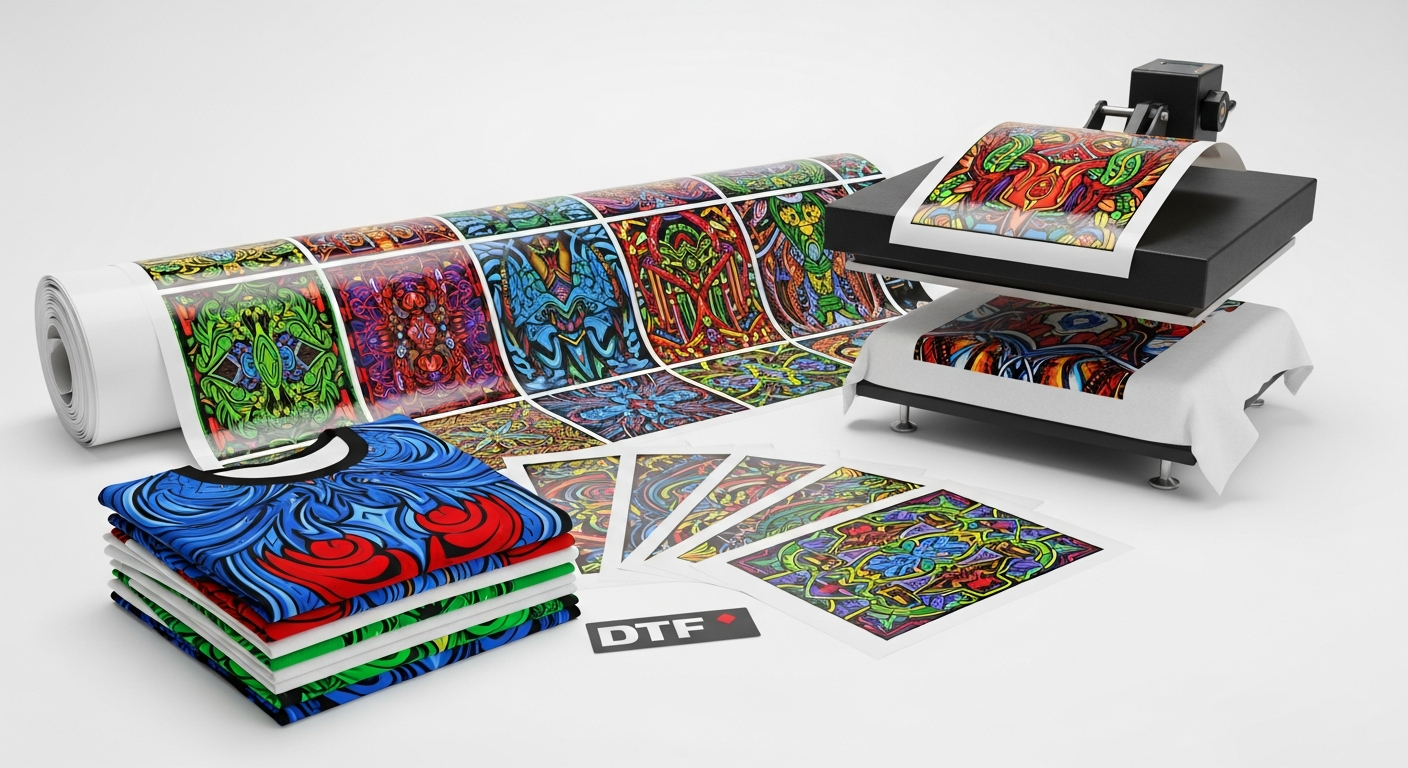
# What Are DTF Transfers and How Do They Work? Have you ever wondered how those incredibly vibrant, soft-feel designs end up on your favorite t-shirts, hoodies, or promotional items? In the world of custom apparel, innovation is constant, and one technology has rapidly risen to become a game-changer: DTF transfers. If you're looking to create custom merchandise, launch a clothing line, or simply personalize an item, understanding DTF is crucial. Located near Houston in Cypress, TX, Flash Custom Transfers is here to demystify this revolutionary printing method for you. ## What Exactly Are DTF Transfers? DTF stands for Direct-to-Film. As the name suggests, it's a printing process where designs are printed directly onto a special film, which is then transferred onto a garment using a heat press. Unlike traditional methods that print directly onto the fabric (like DTG – Direct to Garment), DTF acts as an intermediary, offering unique advantages. Imagine a highly detailed, full-color image – gradients, intricate lines, photographic quality – all printed onto a flexible film. This film, complete with a white ink layer for opacity and a special adhesive powder, is what we call a DTF transfer. Once heat-pressed, the design adheres permanently to the fabric, leaving a soft, stretchable, and durable print that feels almost like part of the garment itself. ### DTF vs. Other Popular Printing Methods To truly appreciate DTF, it helps to understand how it stacks up against other common printing techniques: * **Screen Printing:** Great for large runs with limited colors, but complex designs with many colors or gradients can be costly and time-consuming due to screen setup. DTF offers full-color capabilities without setup fees per color. * **Vinyl (HTV - Heat Transfer Vinyl):** Excellent for simple shapes, text, and single-color designs. However, layering multiple colors can create a thick, less breathable feel, and intricate details can be difficult to cut and weed. DTF handles fine details and full color with a single application. * **Direct to Garment (DTG):** Prints directly onto cotton or cotton-blend fabrics, offering great detail and soft feel. However, DTG often requires pre-treatment for dark garments, is limited to certain fabric types, and can be slower. DTF works on a wider range of materials and doesn't require pre-treatment. ## The Magic Behind DTF: How Do They Work? The DTF process, while sounding complex, is a streamlined series of steps that results in a high-quality transfer. Let's break down the journey of a [DTF Transfer](https://flashcustomtransfers.com/collections/dtf-transfers) from digital file to finished product: ### Step 1: Digital Design Creation It all begins with your digital artwork. Designers create or optimize images in graphic software, ensuring high resolution and correct color profiles (CMYK for print). The beauty of DTF is its ability to reproduce virtually any design, no matter how complex or colorful, making it perfect for custom logos, illustrations, and photographic prints. ### Step 2: Printing on Film Once the design is ready, it's sent to a specialized DTF printer. This printer uses aqueous (water-based) pigment inks to print the design onto a unique PET (polyethylene terephthalate) film. Crucially, the design is printed in reverse, and a layer of white ink is printed on top of the colors. This white ink layer serves two vital purposes: it provides an opaque base for the colors to pop on any garment color (especially dark ones), and it acts as the adhesive layer that will bond to the fabric. ### Step 3: Powder Application Immediately after the white ink is printed, while it's still wet, a hot-melt adhesive powder is applied evenly over the entire print area. This powder adheres only to the wet ink. The excess powder is then shaken off, leaving a perfectly coated design on the film. ### Step 4: Curing the Transfer The film with the powdered design then passes through a curing unit (often a shaker dryer or a heat press hovering without contact). The heat melts the adhesive powder, creating a thin, even, and solid layer that encapsulates the ink. This cured layer is what will bond the transfer to your garment, making it incredibly durable and washable. At this stage, the DTF transfer is ready for storage or immediate application. ### Step 5: Application to Garment This is where you bring your custom apparel to life! The cured DTF transfer is placed onto the desired garment (t-shirt, hoodie, bag, hat, etc.) on a heat press. The heat press applies precise heat and pressure for a specific duration (e.g., 300-325°F for 10-15 seconds). This process reactivates the adhesive, causing it to bond firmly with the fibers of the fabric. Once the garment cools (cold peel), or sometimes immediately (hot peel, depending on the film type), the PET film is carefully peeled away, leaving only the stunning design on the fabric. It's truly a magical moment! ## Why Choose DTF Transfers? Unveiling the Benefits DTF transfers have quickly become a favorite for many reasons, offering a host of benefits that appeal to businesses, designers, and individuals alike. ### Vibrant Colors & Intricate Detail DTF printing excels at reproducing full-color graphics, complex gradients, and incredibly fine details that are difficult or impossible with other methods. Colors are exceptionally vivid and pop against any fabric color, thanks to the white ink backing. ### Versatility Across Fabrics Unlike DTG which often prefers cotton, DTF transfers are incredibly versatile. They can be applied to a wide range of materials, including cotton, polyester, blends, nylon, rayon, leather, and more. This makes them ideal for various apparel types, sportswear, workwear, and accessories. ### Durability & Washability Once properly applied, DTF prints are remarkably durable. They resist cracking, peeling, and fading, even after numerous washes. The prints are also flexible, stretching with the fabric, which contributes to their longevity and comfortable wear. ### Cost-Effectiveness & Efficiency For small to medium-sized runs, and especially for designs with multiple colors, DTF can be more cost-effective than screen printing as it eliminates the need for screens and their associated setup costs. The process is also relatively fast, allowing for quick turnaround times on custom orders. Flash Custom Transfers is proud to offer top-quality DTF transfers that combine this efficiency with exceptional results. ### Soft Hand Feel Despite their durability, DTF transfers offer a surprisingly soft hand feel. The printed design integrates well with the fabric, avoiding the thick, plasticky feel sometimes associated with other transfer methods. ## DTF Transfers: The Ideal Choice for Your Custom Apparel Whether you're starting a new clothing brand, outfitting a sports team, creating custom merchandise for an event, or simply personalizing gifts, DTF transfers provide an unparalleled solution. Their quality, versatility, and efficiency make them a go-to choice for countless applications. ### Flash Custom Transfers Advantage At Flash Custom Transfers, based in Cypress, TX (just outside Houston), we specialize in producing high-quality [DTF Transfers](https://flashcustomtransfers.com/collections/dtf-transfers) that meet the demands of professionals and hobbyists alike. We understand the importance of vibrant colors, crisp details, and durable prints. That's why we use state-of-the-art equipment and premium materials to ensure every transfer exceeds expectations. To make things even better, we offer **FREE shipping on all orders with no minimum** – making custom apparel accessible and affordable for everyone. ### Beyond Apparel: What About UVDTF? While this post focuses on traditional DTF for fabrics, it's worth noting its cousin: UVDTF. UVDTF transfers apply the same film-based concept to hard, rigid surfaces like tumblers, laptops, metal, and plastic. If you're looking to brand non-apparel items with equally vibrant and durable designs, be sure to explore our [UVDTF Gang Sheets](https://flashcustomtransfers.com/collections/uvdtf-gang-sheets) for hard goods! ## Getting Started with DTF Transfers Ready to bring your designs to life? Getting started with DTF transfers is straightforward. You simply upload your high-resolution artwork, choose your desired size, and place your order. The team at Flash Custom Transfers handles the precise printing and curing process, delivering ready-to-press transfers right to your door. ## Conclusion DTF transfers represent a significant leap forward in custom apparel printing. They offer an unmatched combination of vibrant full-color reproduction, intricate detail, broad fabric compatibility, and exceptional durability, all with a pleasing soft feel. If you're seeking a flexible, high-quality, and efficient way to customize garments, DTF is undoubtedly the answer. Don't let your design ideas remain just ideas. Transform them into stunning, wearable art with the power of Direct-to-Film technology. Experience the Flash Custom Transfers difference today – high-quality transfers, free shipping, and no minimum order, right to your doorstep. Ready to create? Visit [Flash Custom Transfers](https://flashcustomtransfers.com) and start your custom transfer journey now!